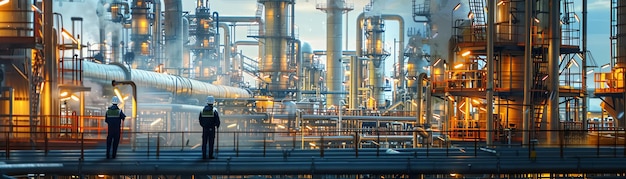
Become Confident in Refinery Operations and Process Technology
Develop deep understanding of downstream petroleum processing and prepare yourself for operational roles in India's refining sector through comprehensive, practical training.
Return to HomeWhat This Program Offers Your Career
This comprehensive program is designed for those who want to understand the complexities of refinery operations and downstream petroleum processing. Over 16 weeks, you'll gain in-depth knowledge of how crude oil is transformed into valuable products through various refining processes.
You'll learn the principles behind distillation, catalytic cracking, hydroprocessing, and product blending. More than just theory, you'll engage with simulated refinery scenarios that mirror real operational challenges. This practical approach helps you develop the kind of judgment and understanding that employers in the refining sector value.
By completing this program, you'll be equipped to pursue operational roles in refineries, contribute meaningfully to process optimization discussions, and understand safety protocols that are essential in this industry. The knowledge you gain opens pathways to technical positions that might currently feel out of reach.
Process Expertise
Master the technical processes that transform crude oil into refined products.
Safety Competence
Understand safety protocols and environmental compliance for refinery operations.
Operational Readiness
Prepare for technical roles in refinery operations with practical scenario training.
The Challenge of Breaking Into Refinery Operations
Perhaps you have a chemical engineering background or related technical training, but you've noticed that refinery positions require specialized knowledge of downstream processes. The gap between general chemical engineering and refinery-specific expertise can feel significant when you're looking at job descriptions for roles you'd like to pursue.
Or maybe you're already working in the energy sector but in a different capacity, and you see opportunities in refinery operations that would require deeper understanding of process technology. You know you're capable of learning, but finding the right training that goes beyond surface-level information and actually prepares you for operational work is challenging.
There's also the reality that refinery operations come with serious safety considerations. You want training that properly addresses safety protocols and environmental compliance, not just technical processes in isolation. This is specialized knowledge that needs to be learned correctly.
These concerns reflect a thoughtful approach to career development. Refinery operations is a technical field where proper training matters. You're right to seek comprehensive education rather than trying to piece together knowledge from various sources.
Comprehensive Training in Downstream Petroleum Processing
Our Refinery Operations and Process Technology program addresses the specific knowledge needs of those pursuing refinery operational roles. The curriculum is structured to take you from foundational understanding through to advanced process concepts, building your expertise systematically over 16 weeks.
You'll learn about distillation processes in depth—not just the basic principles but how different distillation units operate, what challenges arise, and how operators make decisions to optimize performance. The same thorough approach applies to catalytic cracking, where you'll understand catalyst behavior, operating conditions, and process variables that affect product yields.
Hydroprocessing modules cover desulfurization and other treating processes that are essential in modern refining. You'll learn why these processes matter, how they work, and what operational considerations are involved. Product blending instruction helps you understand how various streams are combined to meet product specifications for fuels and other petroleum products.
Safety and environmental compliance aren't afterthoughts in this program—they're integrated throughout. You'll learn Indian regulatory requirements, safety protocols for different refinery operations, and how environmental considerations influence process decisions. This emphasis on safety reflects the realities of working in refinery environments.
The program includes simulated scenarios that mirror real refinery situations. You'll work through operational challenges, troubleshoot process issues, and make decisions similar to those faced by refinery operators. This practical application helps bridge the gap between knowing concepts theoretically and being able to apply them in operational contexts.
Your Journey Through Refinery Process Technology
The program begins with distillation fundamentals, establishing your understanding of how crude oil is initially separated into different fractions. Early modules explain the physics of distillation, column operations, and the various cuts produced. You'll work with actual operating data from Indian refineries to see how these principles apply in practice.
As you progress into more complex processes like catalytic cracking, the content builds on your established foundation. You'll understand why cracking is necessary, how catalysts work to break down larger molecules, and what operating conditions need to be maintained. The technical depth increases, but your growing familiarity with refinery operations helps you absorb these more advanced concepts.
Hydroprocessing and treating processes come next, where you learn about removing sulfur and other contaminants from petroleum streams. This is particularly relevant for India's refining sector as environmental standards continue to evolve. You'll understand not just the chemistry involved but the practical operational aspects of running these units effectively.
Throughout the program, you'll participate in live workshop sessions with refinery professionals who've worked in operational roles. These sessions provide opportunities to discuss real challenges, hear about actual refinery experiences, and ask questions that come up as you're learning. Many participants find these interactions particularly valuable for connecting academic concepts to operational realities.
The simulated scenarios become increasingly complex as your knowledge develops. You might troubleshoot a distillation unit experiencing off-specification products, optimize catalyst usage in a cracking unit, or develop blending strategies to meet product specifications. These exercises help you think like a refinery operator and develop practical judgment.
Your 16-Week Progression
Weeks 1-4: Distillation and Separation
Comprehensive coverage of crude distillation processes, fractionation principles, and separation technology used in refinery operations.
Weeks 5-8: Catalytic Processes
Deep exploration of catalytic cracking, reforming, and other conversion processes that transform heavy fractions into valuable products.
Weeks 9-12: Hydroprocessing and Treating
Understanding desulfurization, hydrocracking, and treating processes essential for meeting product specifications and environmental standards.
Weeks 13-16: Blending and Operations
Product blending strategies, safety protocols, environmental compliance, and integrated operational scenarios bringing all concepts together.
Investing in Specialized Refinery Knowledge
This comprehensive investment covers all aspects of your refinery operations training with no additional fees for materials, simulations, or assessments.
This investment reflects the depth and specialization of refinery operations training. You're gaining knowledge that directly applies to technical positions in downstream petroleum processing—roles that typically require this specific expertise rather than general chemical engineering knowledge.
Consider the career opportunities this knowledge creates. Refinery operational positions, process engineering roles in downstream facilities, and technical support positions all benefit from comprehensive understanding of process technology. This program provides exactly that specialized knowledge in a structured, thorough format.
The value extends beyond immediate job applications. Understanding refinery operations at this level changes how you see the entire downstream petroleum sector. You'll be able to contribute meaningfully to technical discussions, identify process improvements, and understand the complexities of turning crude oil into products that power modern life.
The 16-week duration allows for genuine mastery of complex processes. Refinery operations can't be learned quickly or superficially—it requires time to understand how different processes interact, why certain operational decisions are made, and how to troubleshoot challenges that arise. This program provides that time and depth.
Complete Program Inclusions
Why This Approach Works for Refinery Operations Training
The curriculum design follows established principles for teaching complex process technology. Each refinery process is broken down into understandable components, then built back up to show how everything integrates in actual operations. This approach prevents overwhelm while ensuring comprehensive understanding.
Our instructors have worked in refinery operational roles within India's petroleum sector. They understand which aspects of process technology matter most in daily operations, what challenges actually arise in refinery settings, and how theoretical knowledge translates to practical application. This operational perspective shapes every aspect of the curriculum.
The simulated scenarios are based on real refinery situations drawn from Indian facilities. You'll work through challenges that reflect actual operational complexity—off-spec products, equipment limitations, feed quality variations, and the need to balance multiple operational objectives simultaneously. This practical training helps develop operational judgment that goes beyond textbook knowledge.
Progress is measured through a combination of technical assessments and scenario-based evaluations. You'll demonstrate understanding of process principles, but also show your ability to apply that knowledge to operational decisions. The goal is genuine competence that would serve you well in refinery positions, not just ability to recall facts.
Industry-Relevant Content
Curriculum developed with input from refinery operators to ensure coverage of processes and knowledge that matter in actual downstream petroleum operations.
Appropriate Depth
Sixteen weeks provides sufficient time to properly understand complex refinery processes without rushing through material that requires genuine absorption and practice.
Our Approach to Supporting Your Learning
We recognize that enrolling in a specialized technical program is a significant decision. You're investing both financially and in terms of your time and focused attention over four months. We want you to feel confident that this investment will genuinely serve your professional goals.
Before making any commitment, we encourage you to have a conversation with us about your background and objectives. If you have chemical engineering training, we can discuss how that foundation relates to refinery-specific knowledge. If you're coming from a different background, we can assess whether prerequisite knowledge might be helpful before starting this program.
Honesty matters in these discussions. If we think you'd benefit from additional preparation first, or if another pathway might better suit your goals, we'll say so directly. Our interest is in supporting learners who are genuinely ready to engage with refinery operations material, not in enrolling everyone who expresses initial interest.
Once enrolled, you'll have consistent access to instructors who can clarify complex process concepts, discuss troubleshooting approaches for scenarios you're working through, and provide guidance on how different aspects of refinery operations connect. The technical depth of this material means questions will arise—that's expected and supported.
How We Support Your Success
Starting Your Refinery Operations Journey
If this refinery operations program aligns with your professional development goals, the next step is reaching out to share information about your background and what you're hoping to achieve. Whether you have chemical engineering training or come from a different technical background, we want to understand where you are and where you're trying to go.
We'll schedule a discussion to explore the curriculum in detail, talk through your specific interests within refinery operations, and assess whether this program provides what you need. You'll have opportunity to ask questions about process technology content, simulation scenarios, safety training components, or any other aspects of the program.
This conversation helps both of us determine fit. If this program seems right for your goals and preparation level, we'll guide you through enrollment and help you get oriented to the learning platform. If we think different preparation or a different program might serve you better, we'll discuss those options honestly.
Once you begin the program, you'll join a cohort of other learners who are developing refinery operations expertise. Many participants find value in the peer interactions during workshops and through the online learning community, where you can discuss concepts, share insights, and connect with others pursuing similar career goals in downstream petroleum.
From Initial Interest to Program Completion
Share Your Background
Reach out through our contact form with details about your technical training and interest in refinery operations roles.
Detailed Discussion
We'll have a conversation about your goals, the curriculum content, and whether this program fits your professional development needs.
Enrollment and Setup
If you decide to proceed, we'll handle registration and provide access to all course materials and the learning platform.
Begin Learning
Start your 16-week journey through refinery operations with ongoing instructor support and interactive workshops throughout.
Begin Building Your Refinery Operations Expertise
Contact us to discuss how this comprehensive program in downstream petroleum processing might support your career goals in refinery operations.
Start a ConversationNo obligation—just an honest discussion about whether this program fits your professional development needs.
Explore Our Other Courses
Depending on your background and career objectives, another program might better align with your professional development journey.
Petroleum Engineering Fundamentals Certificate
Introduction to petroleum engineering for career transitioners. Covers upstream operations, reservoir basics, and production fundamentals through Indian field case studies.
Energy Sector Management and Leadership
Strategic program for managerial competencies in oil and gas contexts. Covers project management, stakeholder engagement, and sustainable practices integration.